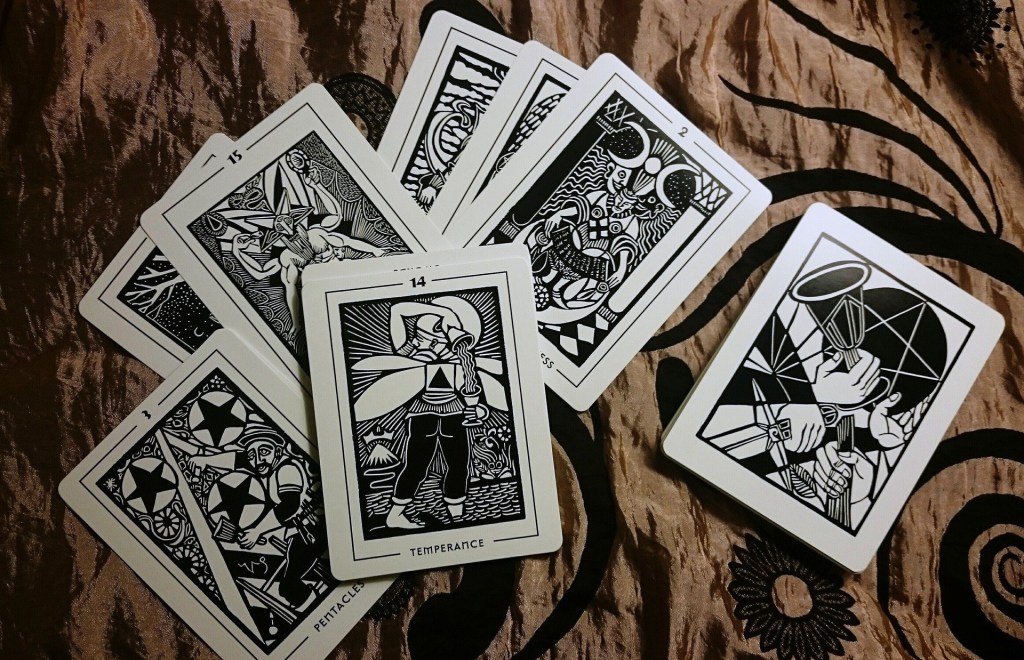
Carl Jung, the esteemed Swiss psychiatrist renowned for his groundbreaking work in psychology, also holds a significant place in the world of tarot. While Jung did not explicitly write about tarot, his theories on archetypes and the collective unconscious resonate deeply with tarot’s symbolism and purpose. This connection provides a fascinating lens through which to explore both psychological and mystical realms.
Jungian Archetypes and Tarot
Jung introduced the concept of archetypes as universal, primordial symbols residing within the collective unconscious. These archetypes manifest in myths, dreams, and cultural narratives, representing fundamental human experiences. Similarly, each tarot card embodies an archetype, offering insights into the human journey.
Major Arcana: The Hero’s Journey
The Major Arcana consists of 22 cards, each symbolizing a stage in the hero’s journey—a narrative deeply rooted in Jungian thought. For instance:
- The Fool: Represents the beginning of the journey, embodying innocence, spontaneity, and new beginnings.
- The Magician: Symbolizes the harnessing of inner resources, creativity, and potential.
- The Hermit: Reflects introspection, wisdom, and the search for deeper meaning.
These cards, among others, parallel the archetypal themes that Jung believed were integral to human development and individuation.
The Collective Unconscious and Tarot
The collective unconscious, as defined by Jung, is a reservoir of shared memories and experiences that transcend individual consciousness. Tarot taps into this shared wisdom, serving as a tool for accessing deeper layers of the psyche. When reading tarot, individuals engage with symbols that evoke personal and collective associations, facilitating self-reflection and insight.
Tarot as a Tool for Self-Reflection
Jung posited that self-awareness and personal growth are achieved by integrating different aspects of the self, including the shadow. Tarot readings can act as a mirror, revealing hidden thoughts, emotions, and desires. This reflective process aligns with Jung’s emphasis on introspection and the integration of the unconscious.
Benefits of Tarot for Personal Growth
- Insight into the Self: Tarot encourages exploration of one’s inner world, prompting questions that lead to self-discovery.
- Emotional Clarity: By addressing subconscious fears and desires, tarot aids in emotional understanding and healing.
- Decision-Making: Tarot can illuminate potential paths, helping individuals make informed choices by reflecting on various aspects of their situation.
Tarot and Modern Psychology
In contemporary psychology, Jung’s influence remains evident in therapeutic practices that incorporate symbolism and narrative exploration. Tarot has found a place in some therapeutic settings as a tool for storytelling and dialogue, bridging the gap between the conscious and unconscious mind.
Conclusion
Carl Jung’s exploration of archetypes and the collective unconscious provides a profound framework for understanding tarot’s enduring appeal. As a tool for self-reflection and insight, tarot resonates with Jungian principles, offering a pathway to personal growth and transformation. Whether approached as a psychological or mystical practice, tarot invites us to delve into the depths of the psyche, guided by the timeless wisdom of archetypal imagery.
 Tarot with KatLou
Leave a comment